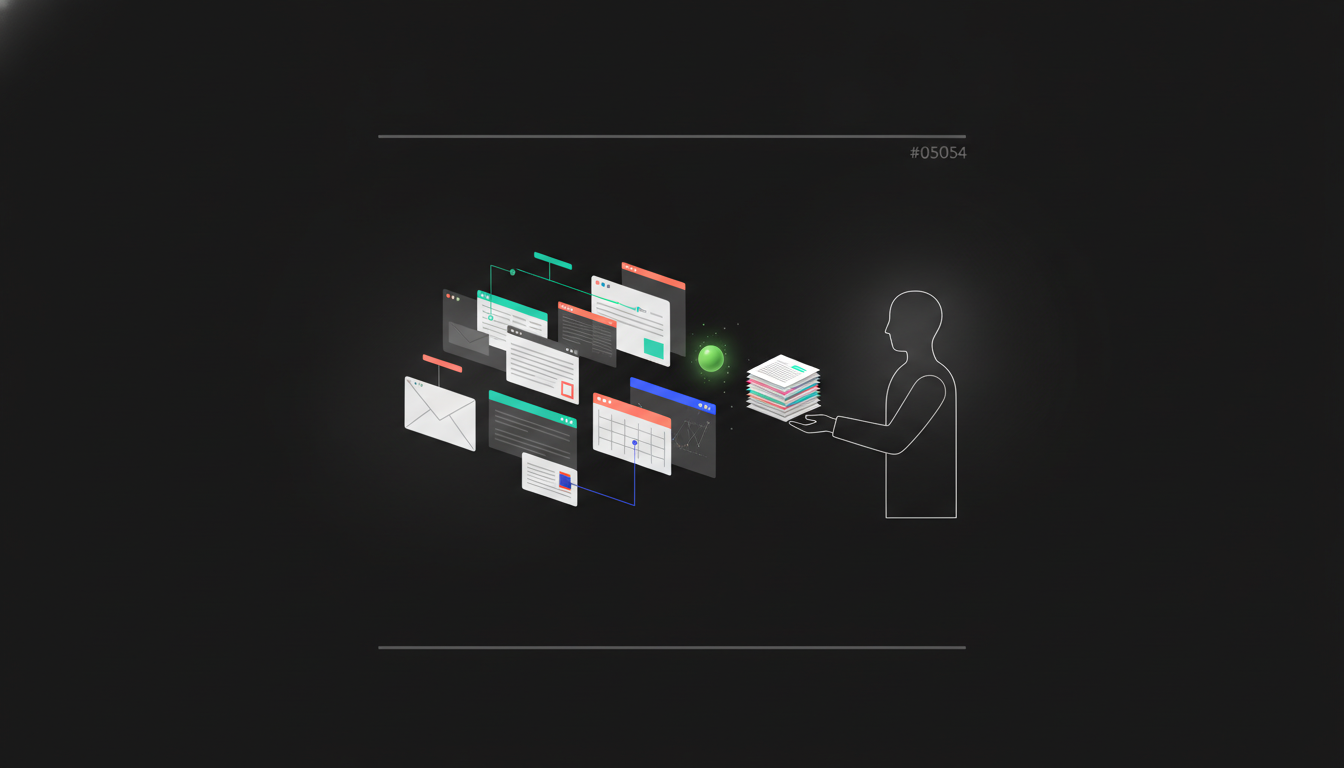
Autonomous AI agents for startup operations are specialized systems that execute multi-step workflows with bounded autonomy, requiring human approval for outward actions. In 2026, they move beyond simple chatbots to handle real business tasks like email management and document processing.
Key takeaways
- Prioritize bounded autonomy over full independence to maintain trust and control.
- Focus on specific use cases like sales follow-ups and meeting notes rather than generic automation.
- Ensure your infrastructure supports human-in-the-loop governance for critical decisions.
- Measure success by time saved and error reduction, not just adoption rates.
What are Autonomous AI Agents and Why Do Startups Need Them in 2026?
Autonomous AI agents are software entities that perceive their environment, reason about tasks, and take actions to achieve goals without constant human prompting. In 2026, startups need them because they handle repetitive, high-volume operational work that distracts founders from strategy. Unlike traditional scripts, these agents adapt to unstructured data like emails and documents.
We have seen that generic AI tools often fail to integrate deeply with business logic. Agents differ because they can chain actions together, such as extracting data from a meeting transcript and updating a CRM. This shift allows teams to scale operations without linearly increasing headcount. For founders, the value lies in reclaiming time for high-leverage decisions while ensuring routine work gets done accurately.
Startups face unique pressure to move fast while maintaining compliance. Agents provide the speed of automation with the adaptability of human reasoning. However, they must be deployed with clear boundaries to avoid unexpected costs or errors. The landscape has matured since 2024, offering more reliable models for specific tasks. You should view these agents as extensions of your team, not replacements for human judgment.
The Shift to Bounded Autonomy: Why Specialized Agents Win for Startups
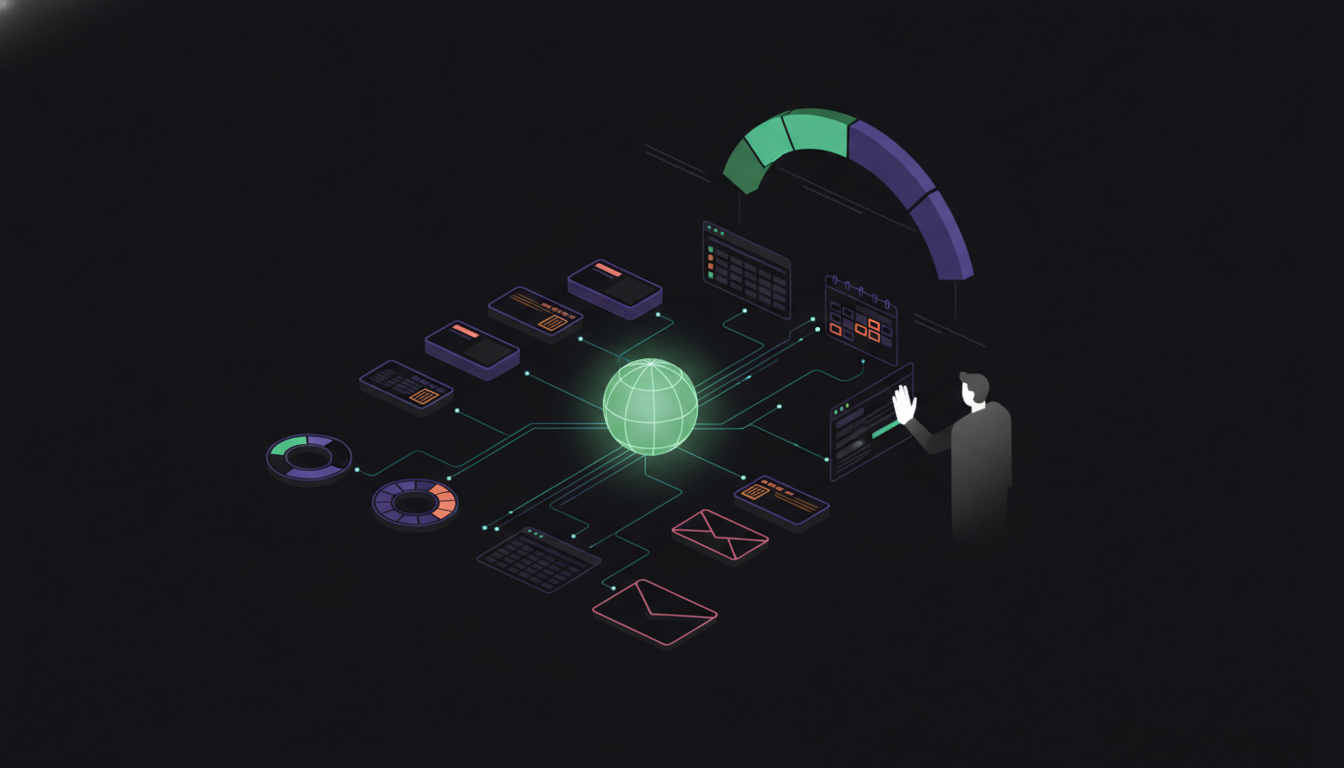
Bounded autonomy means agents can perform tasks up to a predefined threshold without seeking approval, but must pause for human sign-off on critical actions. Startups win with specialized agents because they are optimized for specific workflows, reducing error rates and increasing reliability. Generic agents often struggle with context, while specialized ones understand your stack.
In our experience, full autonomy leads to hallucinations and brand risks. By limiting scope, you gain speed without sacrificing control. For example, an agent can draft an email response but must wait for approval before sending. This approach aligns with the need for governance in modern startups. It also simplifies debugging when things go wrong, as the decision boundary is clear.
Specialized agents also tend to be more cost-effective. They use fewer tokens by focusing on narrow tasks rather than trying to be everything. This efficiency matters when scaling to thousands of operations. You should look for tools that allow you to define these boundaries explicitly. The market is moving away from "do anything" models toward "do this well" solutions.
Key Use Cases: Where AI Agents Deliver Real ROI in Startup Operations
Startups see the best return on investment when agents handle high-frequency, low-risk tasks like scheduling, meeting notes, and initial customer triage. These areas allow for rapid automation without exposing sensitive business logic to unstructured generation. The ROI comes from freeing senior staff to focus on complex problem-solving.
Sales and support are common starting points. Agents can qualify leads, draft follow-ups, and update pipelines based on conversation history. In back-office operations, they process invoices and reconcile expenses against budgets. The key is to start where the process is well-defined but the volume is high. This ensures the agent has enough context to succeed.
| Use Case | Automation Level | Risk Profile | ROI Driver |
|---|---|---|---|
| Meeting Notes | High | Low | Time savings |
| Email Triage | Medium | Low | Response time |
| Data Entry | High | Medium | Accuracy |
| Client Outreach | Low | High | Conversion |
Avoid using agents for high-stakes negotiations or financial approvals without strict oversight. Focus on the operational grunt work that accumulates silently. Over time, these small gains compound into significant capacity. Many teams find that automating meeting follow-ups alone saves 5-10 hours per week per person.
Building Your Agent-Native Infrastructure: Tools and Best Practices for 2026
Your infrastructure must support API integrations, secure data storage, and clear logging of agent actions. In 2026, best practices include keeping data residency close to your users and ensuring every tool has a defined role. You cannot simply patch agents onto old systems without redesigning workflows.
Start with a central orchestration layer that connects agents to your core tools like CRMs and spreadsheets. Ensure your API access is scoped minimally to prevent over-permissioning. Security teams will ask about data residency; choose providers that store data in regions compliant with your regulations. For European founders, Swiss or EU residency is often non-negotiable for trust.
Tools vary by complexity. Some offer pre-built connectors for common platforms, while others require code. Evaluate based on your team's engineering bandwidth. If you lack resources, look for low-code options that still allow custom logic. The goal is a system where agents can act reliably without breaking existing processes.
For detailed tool comparisons and deployment strategies, resources like eZintegrations' autonomous workflow guide can help map out your stack. Ensure your agents have memory capabilities to recall past interactions without compromising privacy.
Human-in-the-Loop Governance for AI Agents: Ensuring Control and Trust
Human-in-the-loop governance requires that all outward-facing actions by agents go through a review queue before execution. This ensures that your brand voice remains consistent and that sensitive data is not exposed. It builds trust with your team and customers who interact with these systems.
Without governance, agents can escalate errors quickly. A simple drafting error can become a public mistake if sent unchecked. By implementing approval workflows, you catch these issues early. It also provides a training loop for your agents, as human corrections improve future outputs. This is essential for long-term reliability.
We recommend starting with a "draft-only" mode for all agents. Only enable auto-send for specific, low-risk templates that have been vetted. Over time, as confidence grows, you can expand the scope. But always keep a human in the loop for financial or legal communications. This balances speed with safety.
Measuring Success: KPIs and Continuous Validation for Your AI Agents
Measure success by tracking time saved, error rates, and task completion rates rather than just usage metrics. Continuous validation involves regular audits of agent outputs to ensure they meet quality standards. If metrics dip, pause the agent and retrain before resuming.
Common KPIs include the percentage of tasks completed without human intervention and the volume of feedback received. Do not rely on self-reported satisfaction; look at objective data like response times and resolution rates. A successful agent reduces the load on your team without increasing the support burden.
Regular audits help catch drift in model performance. Over time, agents may start hallucinating or ignoring constraints. Schedule weekly reviews of agent logs to spot patterns. This proactive approach prevents small issues from becoming systemic failures. It also helps you justify the investment to stakeholders by showing tangible efficiency gains.
FAQ
AI agent vs automation tools
AI agents differ from traditional automation by handling unstructured data and adapting to new scenarios without rewriting code. Automation tools follow rigid rules, while agents reason and make decisions within defined boundaries.
AI for small business operations
Small businesses benefit by using agents to handle scheduling and email triage without hiring full-time staff. This allows owners to focus on growth while routine tasks are managed automatically.
Agentic AI use cases for startups
Startups use agents for lead qualification, meeting summarization, and expense tracking. These cases offer high volume and low risk, making them ideal for initial deployment.
AI workflow automation for startups
Workflow automation connects apps to move data automatically. AI agents enhance this by interpreting content within the workflow, such as understanding the context of an email before updating a CRM.
Scaling with AI agents
Scaling requires maintaining quality as volume increases. Implement strict validation layers and monitor error rates to ensure agents perform consistently as your startup grows.
To see how governed human-in-the-loop agents work in practice, explore Monopea's platform for a closer look at operational trust.